
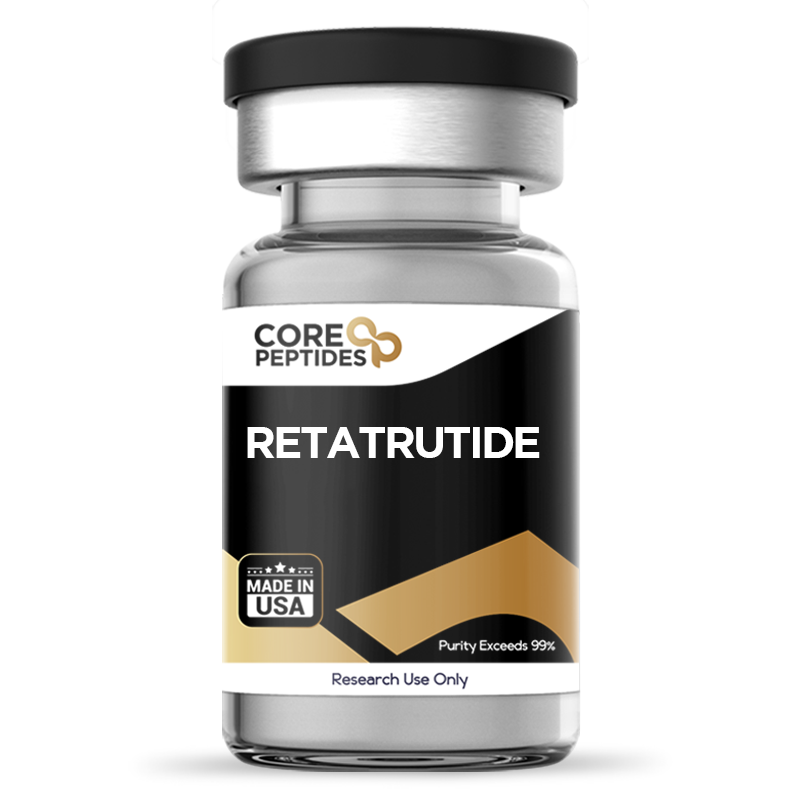

Retatrutide Peptide (8mg / 16mg)
Retatrutide Peptide (LY-3437943) is a next-generation investigational metabolic research peptide globally recognized for its potential applications in obesity, insulin resistance, type 2 diabetes, and non-alcoholic fatty liver disease (NAFLD). Developed by Eli Lilly and Company. Retatrutide is widely recognized for its unique triple hormone receptor agonist activity, targeting:
-
GLP-1 (Glucagon-Like Peptide-1).
-
GIP (Glucose-Dependent Insulinotropic Polypeptide).
-
GCGR (Glucagon Receptor).
Unlike traditional GLP-1 receptor agonists, Retatrutide works across multiple metabolic pathways, making it one of the most advanced peptide compounds currently undergoing clinical evaluation for metabolic health research.
What Is Retatrutide Peptide Used For?
Retatrutide is being extensively studied for its multi-pathway effects on metabolic regulation and body composition.
Obesity & Weight Management Research
In controlled clinical trials involving overweight adults without diabetes, Retatrutide demonstrated a mean body weight reduction exceeding 17.5%. Meanwhile, higher dose groups showing an average reduction of up to 24.2% over 48 weeks. Therefore, these outcomes suggest promising implications for appetite regulation, fat oxidation, and long-term weight control mechanisms.
Type 2 Diabetes & Insulin Sensitivity
Retatrutide’s dual action on glucose metabolism and energy balance is being explored for improving insulin sensitivity and glycaemic control in metabolic disorder studies. Its GLP-1 and GIP receptor activity may support improved post-prandial glucose response and metabolic stability.
Fatty Liver Disease (NAFLD) Research
Emerging metabolic research indicates Retatrutide may assist in reducing total liver fat accumulation in subjects with obesity-related complications. Ultimately, this makes it a potential candidate for ongoing studies in non-alcoholic fatty liver disease and related hepatic metabolic conditions.
What Makes Retatrutide Unique?
Retatrutide Peptide stands apart from earlier incretin-based compounds due to its triple agonist mechanism. While many metabolic peptides target only one or two receptor pathways, Retatrutide simultaneously activates GLP-1, GIP, and GCGR receptors — potentially supporting:
-
Appetite suppression.
-
Increased fat metabolism.
-
Enhanced energy expenditure.
-
Improved glucose regulation.
-
Reduced adipose tissue accumulation.
This multi-receptor interaction allows for a broader metabolic response compared to conventional single-pathway GLP-1 analog peptides.
Weekly Administration & Extended Activity
Retatrutide is administered as a once-weekly research peptide injection. Also, its extended half-life allows it to remain metabolically active for approximately six days while supporting sustained receptor engagement and prolonged physiological effects during study protocols.
How Does Retatrutide Peptide Work?
Basically, Retatrutide mimics the activity of three key metabolic hormones responsible for regulating appetite, fat utilisation, and blood sugar balance:
-
GLP-1 Receptor Activation: Supports satiety signalling and delayed gastric emptying, which may contribute to reduced caloric intake.
-
GIP Receptor Activation: Enhances insulin secretion and assists with lipid metabolism processes.
-
GCGR Activation: Promotes mobilisation of stored fat for energy expenditure and thermogenic activity.
Furthermore, by engaging all three receptor pathways simultaneously. Retatrutide Peptide may offer a comprehensive yet metabolic research approach to improving body composition and overall metabolic efficiency.
Product Specifications
-
Compound Name: Retatrutide (LY-3437943)
-
Available Dosages: 8mg / 16mg
-
Category: Triple Agonist Metabolic Research Peptide
-
Administration Protocol: Weekly
-
Molecular Targets: GLP-1, GIP, GCGR Receptors
-
Application: Obesity, metabolic syndrome, and insulin resistance research.
| Please select a size | 16mg, 8mg |
|---|
Be the first to review “Retatrutide (8mg/16mg)”
Related products


PEPTIDES
Reviews
There are no reviews yet.